
A parent's guide to healthy no added sugar toddler snacks
Key Takeaways
Nourishing your toddler with wholesome choices sets the foundation for a lifetime of healthy eating habits. By focusing on whole foods and minimising industrial additives, you can support your child's growth and energy needs effectively.
- Prioritise nutrient-dense whole foods over processed snacks with added sugars.
- Learn to read packaging labels to identify sneaky industrial sugar aliases.
- Combine healthy fats and proteins to keep little tummies full longer.
- Use natural sweetness from fruit like dates for occasional treats.
- Establish positive, consistent mealtime rituals to reduce snack-time stress.
The importance of avoiding added sugars in the toddler years
Navigating the snack aisle can be a daunting task for any parent, especially when labels seem to contradict one another. Understanding the impact of what our children eat early on is fundamental to their developmental health. By focusing on simple, whole food choices, parents can ensure their little ones get the energy they need without unnecessary ingredients. This shift toward clean eating is not about restriction but about providing the best possible building blocks for your child.
How excessive sugar impacts early development
Excessive sugar consumption can lead to rapid energy spikes followed by sudden crashes, which often manifest as irritability or difficulty settling down. For toddlers, whose brains and bodies are developing rapidly, consistent and sustained energy release is far more beneficial than the rollercoaster effects of processed sweeteners. By prioritising balanced nutrition, parents can foster a more stable mood and environment throughout the day.
Understanding hidden sugars on nutrition labels
Labels can often obscure the presence of sugars through creative naming conventions. When scanning ingredients, it is common to see syrups and concentrates that serve no purpose other than altering taste profiles. Learning the terminology used by manufacturers allows you to make more informed decisions about the no added sugar toddler snacks you purchase for your family.
Reshaping long-term taste preferences
Introducing a variety of subtle, earthy flavors early on helps calibrate a child's palate to appreciate natural foods. If a child becomes accustomed to intense sweetness from a young age, they may naturally resist the complex and varied notes found in vegetables or whole grains. Steering clear of aggressive sweeteners keeps their taste buds flexible and open to new experiences.
Why natural sweetness is sufficient for young children
Toddlers already possess a natural affinity for the sweetness found in berries, stone fruits, and even high-quality dairy. Choosing Oli6 goat milk products can be a wonderful way to offer gentle nutrition that provides natural satisfaction. These foods prove that extra sweeteners are entirely unnecessary when nature provides everything required for a delicious snack.
Essential nutrients to prioritise in snacks
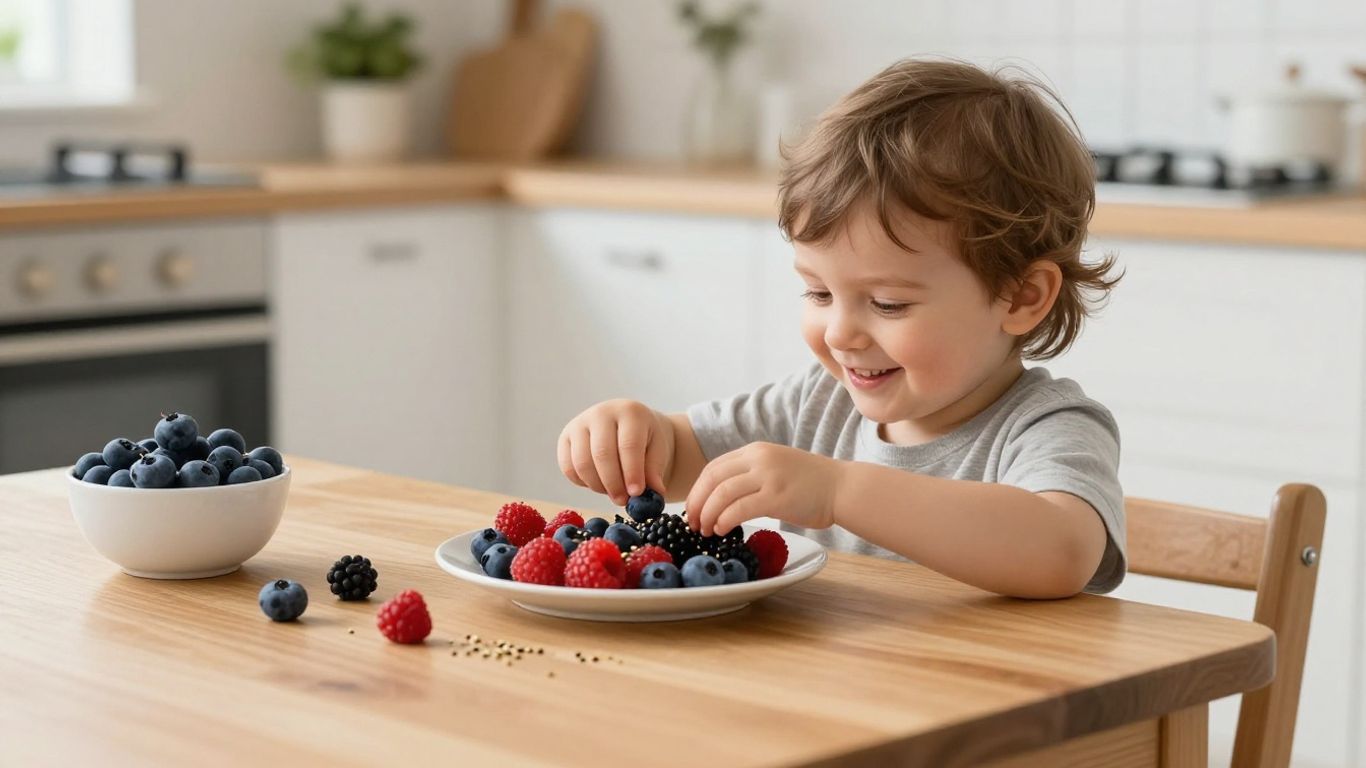
Snack time is more than just a bridge between meals; it is a vital opportunity to fill any nutritional gaps. When considering what to offer, focus on whole components that work together to nourish your child. A balanced snack should typically feature items that satisfy hunger while supporting ongoing physical and cognitive milestones.
Incorporating healthy fats for brain growth
Healthy fats are essential for supporting the rapid development of a toddler’s brain. Including sources like avocado, seeds, or the gentle fats found in high-quality dairy helps your child feel satisfied and focused. These fats provide the long-lasting fuel needed for active play throughout the afternoon.
The role of protein in toddler satiety
Protein is critical for muscle growth and helps regulate the speed at which energy is absorbed by the body. Without adequate protein, a toddler might feel hungry again shortly after eating, leading to more frequent requests for snacks. Adding protein-rich ingredients ensures that mid-morning or afternoon hunger is addressed effectively.
Maximising fibre intake for digestive health
Fibre is often missing from heavily processed snack options, yet it remains crucial for maintaining comfortable digestion. Incorporating whole grains or fibrous fruits ensures that your child stays regular and avoids the transit issues sometimes caused by low-fibre, refined flour-based snacks.
Identifying vital micronutrients in whole foods
It is better to focus on the nutritional density of what you provide rather than just the caloric count. You can easily integrate diverse micronutrients by keeping a pantry stocked with specific staples that offer multiple health benefits. The following table provides a quick reference for common nutrient-dense additions:
| Nutrient Category | Best Whole Food Sources | Primary Benefit for Toddlers |
|---|---|---|
| Healthy Fats | Avocado, Seeds, Goat Milk | Brain and nervous system support |
| Lean Protein | Beans, Pulses, Dairy Powder | Sustained satiety and muscle growth |
| Essential Fibre | Oats, Berries, Fresh Greens | Digestive health and regularity |
Incorporating these varieties ensures that every snack provides significant value beyond just simple energy, reinforcing a diet rich in essential building blocks.
Whole food alternatives for convenient snacking
Convenience does not have to mean compromise, provided you keep the pantry stocked with the right versatile ingredients. Having a few tried-and-tested combinations on hand makes it much easier to avoid the temptation of pre-packaged sugar-laden items. Simple, raw preparations often taste better and provide more nourishment for little ones.
Pairing fresh produce for balanced nutrition
Fresh fruit and vegetables serve as the perfect base for any nutritious snack, offering immediate hydration and essential vitamins. When you pair these with a source of fat or protein, such as a piece of cheese or a few seeds, you create a complete mini-meal. This approach ensures your toddler gets a steady stream of energy across the day.
Using dates and shredded coconut for natural energy
Dates offer a rich, caramel-like sweetness that works well when blended into homemade snacks for a touch of comfort. When combined with shredded coconut, these ingredients provide a delightful texture that kids love. Using such ingredients means you can create treats that are naturally vibrant and full of character.
Incorporating dairy and plant-based powders for texture
Adding high-quality powders like Oli6 goat milk powder to your blender creates a smooth, creamy texture that appeals to young palates. This addition not only enhances the mouthfeel of your homemade bites but also boosts the overall protein and calcium content of the snack. It is a practical way to ensure every bite is packed with goodness.
Selecting whole grains that offer sustained release
Choosing rolled oats or ancient grains ensures that the energy consumed is released slowly into the bloodstream. These grains are excellent staples to keep on hand for quick stovetop preparations or for adding bulk to muffins. They help bridge the gaps between family meals, preventing that pre-dinner crankiness that often leads to unhealthy grazing.
Reading nutrition labels like a pro
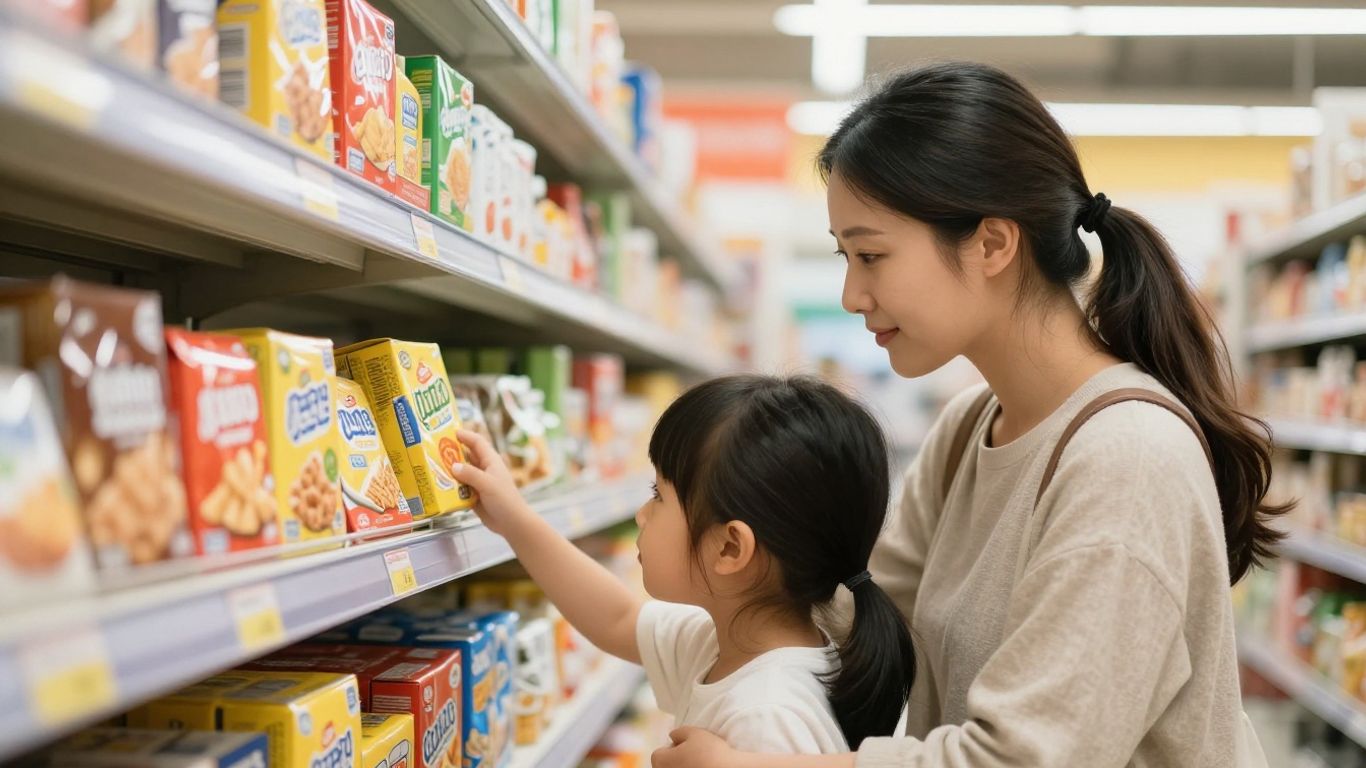
Navigating the grocery store often requires a detective's eye. Many products that are marketed to children contain various forms of sugar that are not immediately obvious at first glance. By understanding how to interpret information on a box, you can confidently navigate the aisles and choose the best no added sugar toddler snacks available.
Spotting common aliases for added industrial sugar
Manufacturers often use several different names to represent sugars, which can make it hard to spot whether a product is truly free of added additives. It is worth keeping a mental list of these terms to scan for quickly. You might consider the following as red flags for added sugar content:
- Maltodextrin and glucose syrups
- Cane juice or high-fructose solids
- Fruit juice concentrates used for sweetening
- Coconut nectar or agave alternatives
Identifying these ingredients early helps you filter out snacks that offer little substance for your child's developing palate. Once you move past these ingredients, you can find options that align better with your family's health goals.
Interpreting ingredient hierarchy on packaging
Ingredients are always listed by weight, meaning those at the top are the most abundant in the recipe. If a sugar or syrup appears within the first three or four items, it is likely a dominant flavour. Always look for products where whole foods, such as oats, seeds, or fruit, top the list instead.
Managing expectations for natural sugar content
It is important to remember that natural sugar found in fruit or dairy is perfectly healthy and often comes with fiber or protein attached. Do not let a high sugar number on a label scare you away if those sugars are derived from whole, unprocessed sources. The focus should always be on the type of sugar, not just the quantity.
Understanding cross-contamination and allergen warnings
Safety is paramount, especially when navigating manufacturing processes. Even if a product appears to be made from clean, whole ingredients, it is vital to check the advisory lines regarding equipment. Always look for notice of potential trace amounts of nuts, dairy, or wheat which are crucial for households managing specific sensitivities.
Preparing homemade no added sugar snack options
Making snacks at home gives you total control over exactly what goes into your child's body. It is often faster than one might expect, and the results are usually much more satisfying than store-bought varieties. Plus, involving your toddler in the kitchen can create a positive association with food preparation.
Creating quick date-based energy bites
Simple energy bites are essentially nature’s version of a grab-and-go snack. By pulsing dates with seeds or coconut, you can create a dense, chewy treat that keeps well in the fridge for days. They offer a great alternative to commercial bars that might otherwise contain hidden syrups.
Baking savoury vegetable muffins for busy days
Vegetables can be surprisingly delicious in baked form, offering a soft texture that toddlers find easy to manage. Using grated carrot, zucchini, or spinach creates a muffin that is nutrient-dense and naturally savoury. These are excellent to store in the freezer, ready to grab whenever time is tight.
Mixing simple dairy-based options with nutrient powders
Using Oli6 nutrition products as part of a base for smoothies or yoghurts provides a consistent and comforting source of vitamins and minerals. These simple additions elevate a basic snack into something truly nourishing without requiring complex recipes. It is a fantastic way to handle hunger spikes throughout the day.
Utilising sunflower seeds and nut-free butter alternatives
Sunflower seeds are an excellent nut-free option that provides a satisfying crunch and healthy fats. Using these in place of traditional nut butters keeps your snack options allergen-friendly for community or school settings. They are versatile, affordable, and easy to blend into almost any homemade recipe.
Managing toddler snack expectations
Toddlers thrive on routines and boundaries, and snack time is no exception to this rule. By managing expectations and keeping your approach consistent, you can reduce the power struggles that often occur with eating. It is about fostering a relaxed environment where your child learns to trust their own hunger signals.
Navigating picky eating phases without sugar
It is completely normal for a child to move through a phase of picky eating, but try to avoid using sugar as a bribe to encourage intake. Continue offering nutrient-rich options, even if they aren't accepted immediately. Frequent exposure to good food eventually leads to discovery and eventual acceptance.
Balancing snack frequency with main family meals
Try to keep snacks to a predictable schedule, allowing enough time between bites for your child to arrive at the main family meal with an appetite. If a child grazes all afternoon, they may lack the hunger needed for a proper dinner. Keeping smaller portions consistent helps maintain this balance.
Establishing positive rituals around healthy eating
Small routines, like sitting at the table or helping to prepare the snack, can transform eating into a positive bonding moment. Avoid screens or distractions during this time so your child can fully focus on their food. Creating these moments helps your toddler build a deeper appreciation for their meal.
Encouraging variety to prevent food fatigue
Rotating different items throughout the week helps prevent your toddler from becoming bored with the same few choices. By keeping a diverse rotation of muffins, bites, and fresh fruits, you keep snacks interesting and nutrient-rich. Variety is the best way to ensure they get a wide spectrum of essential vitamins and minerals.
Conclusion
Nourishing your toddler with thoughtful, whole food choices is a rewarding journey that pays dividends for their long-term health. By prioritising quality ingredients and understanding how to navigate the complexities of food labeling, you provide your child with the foundation they need to thrive. Embrace the simplicity of home preparation and keep your approach balanced, ensuring that snack time remains a positive and vital part of your family’s daily routine.
Frequently Asked Questions
Why should I worry about sugar if my toddler is active?
Even active toddlers need stable nutrition rather than sugar-induced energy spikes. Avoiding added sugars prevents unnecessary health challenges and sets a positive tone for future dietary habits.
How can I make snacks more appealing to a picky eater?
Presenting food in different shapes and textures can make a world of difference. Sometimes, simply changing the way an apple is sliced or pairing a veggie with a dip can reignite interest in unfamiliar or under-appreciated foods.
Is fruit sugar harmful to my child?
Natural sugars found in whole fruit are accompanied by essential fibre and nutrients. These are generally considered healthy and are processed differently than industrial added sugars, making them a great choice for growing kids.
How do I handle snack requests outside of scheduled times?
Setting firm but kind boundaries around meal times helps your child anticipate food. If they ask for food constantly, verify if they are actually hungry or just seeking distraction; offering a small, nutrient-dense whole food option like a piece of cheese is a good middle ground.
Are homemade snacks really cheaper?
Often, yes. Buying bulk ingredients like oats, seeds, and healthy dairy powders allows you to make many snacks for the same price as one or two processed bars. Plus, you avoid the cost of unnecessary additives or plastic packaging.
What do I do if my child only wants one type of snack?
Keep offering variety alongside their current favorite. Persistence combined with patience is the best tool for gradually expanding a child's accepted food list. Do not force, but keep variety present on the table.
Can I use honey or maple syrup to sweeten snacks?
While natural, these still act like added sugars in terms of their quick impact on blood glucose. For toddlers, it is generally recommended to rely on the natural sweetness of whole foods like bananas or dates instead of adding extra liquid sweeteners.