
The 3pm scramble - healthy snacks for kids that are easy, tasty and big-sister approved
Key Takeaways
The best healthy snacks are simple, colourful and filling enough to get your child to the next meal without turning your kitchen into a short-order diner.
Pair fruit or vegetables with yoghurt, hummus, cheese, eggs or seed butter.
Choose wholegrains and protein when hunger is likely to be substantial.
Keep portions sensible and adapt textures for your child’s age and chewing skills.
Prepare a few snack components ahead so the 3 pm scramble feels less frantic.
Let children help dip, sprinkle, stir and assemble their own snacks.
1. Fresh fruit with yoghurt for a naturally sweet win
Fruit and yoghurt is the sort of snack that looks cheerful, takes barely any effort and usually survives the “I’m not hungry” announcement. Try sliced banana, berries, diced pear, mango or mandarin segments with plain yoghurt. You can serve it in a little bowl, layer it in a jar or let your child do the scooping, which mysteriously makes it more exciting.
For extra texture, add a small spoonful of rolled oats, sunflower seeds or finely chopped fruit. If your child is still little, keep pieces soft and appropriately sized, and supervise eating. There is no need to turn snack time into a nutrition lecture; a colourful bowl and a tiny spoon are often persuasive enough.
When you are planning a few options for the week, this healthier snack guide is a useful reminder to keep fruit and vegetables in regular rotation. Yoghurt also makes fruit feel more substantial, especially after a busy morning at school or the park. Keep the flavour familiar first, then experiment with combinations once the bowl is being met with enthusiasm rather than suspicion.
2. Veggie sticks with hummus for enthusiastic dipping
Crunchy vegetables become much more appealing when there is something creamy waiting at the end. Cut cucumber, capsicum, carrot, celery or sugar snap peas into manageable sticks and serve them with hummus. For younger children, choose softer textures, grate or steam firm vegetables where needed, and stay close while they eat.
The dip is doing some serious social work here. It gives children a job—pick up, dip, taste—and takes the pressure off eating a whole serving of vegetables on command. Start with a small amount of hummus and add more if it is a hit; nobody needs a hummus landslide across the table.
You can make this snack more filling by adding wholegrain crackers or a little cheese alongside it. That combination is especially handy when dinner is still a while away and your child has entered the dramatic “I may never eat again” phase. A divided plate or lunchbox compartment also keeps the wet dip from making everything else soggy.
3. Apple slices with seed butter for crunch without the drama
Apple wedges and seed butter bring together crisp fruit and a smooth, savoury finish. Sunflower seed butter works well, while tahini can suit children who enjoy a slightly more grown-up flavour. Spread a thin layer over the apple, or serve the butter separately for dipping and let your child decide how much is enough.
This is a helpful nut-free option for many families, but always check the ingredient label and your school’s allergy rules. If the apple browns, a squeeze of lemon can help, although a slightly rosy slice is not a crisis. You are feeding children, not styling a cookbook cover.
For little eaters, slice the apple thinly and make sure the seed butter is smooth rather than sticky or chunky. Pairing the fruit with a source of fat and protein can make the snack feel more satisfying than fruit alone. If your child refuses the apple, try pear, banana or toast soldiers with the same dip.
4. Homemade popcorn for a lighter after-school nibble
Plain homemade popcorn is wonderfully crunchy and easy to customise. Make it with minimal oil, allow it to cool, and keep the seasoning gentle: a dusting of cinnamon for a sweet-leaning bowl or a little grated cheese for savoury fans. Popcorn is not suitable for very young children because of its choking risk, so save this one for children who are ready for it and supervise them.
A small bowl is useful because popcorn is light and very easy to keep grabbing by the handful. If you are building an after-school snack drawer, portioning it before the hungry crowd arrives can save both food and your last nerve. These simple variations keep it interesting without turning the snack into a sugar-covered carnival treat:
Cinnamon and a tiny sprinkle of cocoa powder.
Grated parmesan with dried oregano.
A pinch of mild paprika and garlic powder.
Plain popcorn mixed with a few wholegrain cereal pieces.
The best choice depends on your child’s age, preferences and appetite that day. Serve popcorn with water and, when hunger is bigger, add fruit or yoghurt so it is not asked to carry the whole nutritional load. Homemade also means you control the salt, which is a quiet win that does not need applause.
5. Banana oat muffins for hungry little humans
Banana oat muffins are soft, portable and excellent at using up bananas that have crossed into brown-speckled territory. Mash ripe bananas with oats, eggs and yoghurt, then bake in mini muffin tins for small hands. You can add blueberries, grated apple or a little cinnamon without making the recipe feel like a science experiment.
Mini muffins make portions easy to manage and fit neatly into lunchboxes. Bake a batch at the weekend, cool them completely and freeze some so future-you has a snack ready on a day when everyone is late and someone has lost one shoe. Defrost in the fridge or pack one frozen; it should thaw by snack time depending on the weather.
Keep the texture moist and avoid hard add-ins for younger children. A muffin can be part of a balanced snack rather than the entire event, so add fruit, milk or yoghurt when your child needs something more substantial. And yes, licking the mixing bowl is practically a kitchen tradition, provided the raw egg mixture stays off the menu.
6. Cheese and wholegrain crackers for a filling snack plate
A small snack plate can be more satisfying than a single food because it offers different textures and flavours. Add cheese cubes or thin slices, wholegrain crackers and a few pieces of fruit or cucumber. This is a brilliant “use what is already open” option, and it looks far more intentional once arranged in separate little sections.
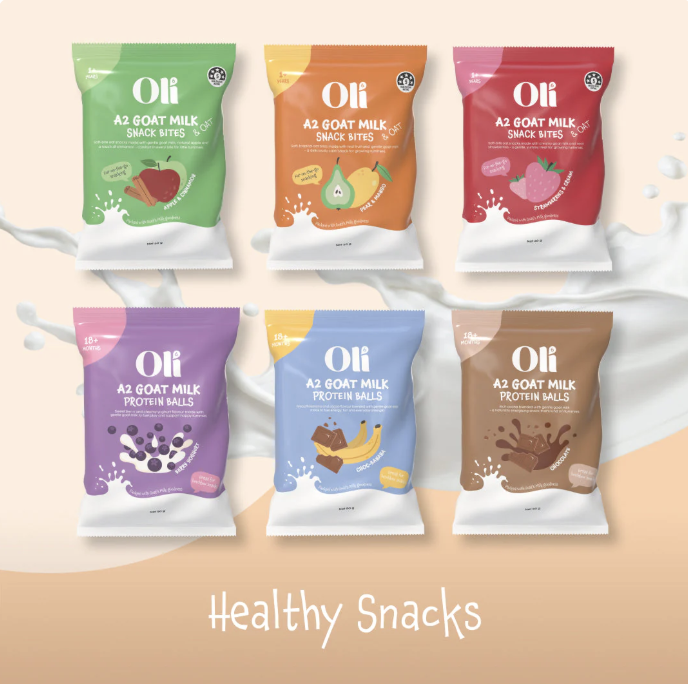
Wholegrain crackers bring crunch, while cheese adds a savoury element that can balance naturally sweet fruit. For a convenient packaged option, Goat & Oat Snack Bites are described as lunchbox-friendly bites made with A2 goat milk and whole-grain oats, without refined sugar. Check the label and ingredients for your own family’s needs, particularly when managing allergies or intolerances.
Here is a quick way to think about the plate without becoming the snack police:
Add |
Examples |
Why it helps |
|---|---|---|
A crunchy base |
Wholegrain crackers |
Gives the plate texture |
A savoury element |
Cheese cubes or slices |
Adds variety and substance |
A fresh side |
Apple, pear or cucumber |
Brings colour and freshness |
A drink |
Water or milk |
Helps complete the snack |
The table is only a planning prompt, not a strict formula. Some days your child will eat the cheese and ignore the fruit; other days the cucumber will vanish first. Offer the mix calmly and let repeated exposure do its slow, unglamorous magic.
7. Date and pea-protein bites for lunchbox energy
Dates make a naturally sweet base for homemade snack bites, especially when blended with sunflower seeds, oats or coconut. Pea protein can add extra substance, but use only ingredients that suit your child and follow the packet directions if you are adding a protein powder. Roll the mixture into small balls and chill them until firm.
For a ready-made option, A2 Goat Milk Protein Balls are described as featuring A2 goat milk, real ingredients and no refined sugar, with meaningful protein and balanced carbohydrates. The recipe information lists dates, pea protein and sunflower seeds among its ingredients, and also notes that the product contains milk and is made on equipment that processes several allergens. Read the packaging carefully before placing any packaged snack in a lunchbox.
These bites are handy for a busy afternoon, but size and texture matter. Make homemade versions small, soft and easy to manage, and supervise younger children while eating. Add a piece of fruit or a drink if your child needs more than one bite to bridge the gap to dinner.
8. Frozen yoghurt bark with fruit for hot Aussie afternoons
Frozen yoghurt bark feels like dessert, which is precisely why children tend to approach it with enthusiasm. Spread plain yoghurt thinly on a lined tray, scatter over berries, sliced banana or mango, then freeze until firm. Break it into uneven pieces and store them in a sealed container in the freezer.
Use fruit your child already likes before adding anything adventurous. A swirl of mashed berries can make the bark look wonderfully marbled, while a sprinkle of oats adds a little texture. Let it soften for a minute or two before serving, particularly for younger children, because rock-hard yoghurt is not the snack experience anyone ordered.
This is best treated as a cool snack for a warm afternoon, not a food that needs to appear every day. Keep portions modest and serve it somewhere easy to wipe down; frozen yoghurt has a remarkable talent for finding the one clean patch of clothing. If dairy does not suit your family, choose an appropriate alternative and check the ingredients.
9. Boiled eggs with wholegrain toast soldiers for serious staying power
Boiled eggs and toast soldiers are a classic for a reason: they are simple, savoury and substantial. Boil eggs to the texture your family prefers, cool them safely, and cut toast into strips for dipping. Children can practise scooping and dunking while you quietly enjoy the fact that breakfast has made a comeback at 3:30 pm.
For younger children, chop the egg into manageable pieces rather than relying on dipping skills. Serve with avocado, tomato or soft cucumber if you want to add another food group, but the basic pairing is perfectly serviceable. Keep cooked eggs chilled and follow local food-safety guidance when packing them for later.
This snack suits days when fruit alone is clearly not going to cut it. It is also easy to prepare ahead, although toast is nicest freshly made. Offer water and keep the mood relaxed; a child who eats the yolk first has not broken any household rules, despite what the crumbs suggest.
10. Smoothies packed with fruit, milk and hidden goodness
Smoothies are useful when chewing feels like too much work or when you have a few soft fruits waiting in the fridge. Blend banana, berries or mango with milk or yoghurt, then add a small amount of oats, spinach or avocado if your child accepts the flavour. Start with a familiar base so the green ingredient does not become the headline act.
A smoothie can be served in a small cup rather than an enormous bottle, and it is worth remembering that drinking fruit is not quite the same as eating it whole. Pair it with toast, a muffin or a little cheese when your child needs a more complete snack. For more practical ideas on balancing convenience and whole foods, explore this school-run snack guide.
Use a straw cup or a regular open cup according to your child’s age and skills, and rinse the blender promptly before the purple berry residue becomes a permanent kitchen feature. Keep the recipe flexible and avoid turning every smoothie into a covert vegetable operation. A snack should build trust as well as fill a small tummy.
Conclusion
The best healthy snacks do not need fancy ingredients or perfect presentation: pair something fresh with something filling, keep a few make-ahead options ready, and give your child room to choose. Some snacks will be devoured, some will be inspected like suspicious evidence, and both outcomes are normal. With fruit, vegetables, wholegrains, dairy or suitable alternatives and a little preparation, you can make snack time easier for everyone.
Frequently Asked Questions
What makes a snack healthy for kids?
A healthy snack usually combines one or two nourishing foods, such as fruit with yoghurt or vegetables with hummus, and is served in an age-appropriate portion. Variety across the day matters more than making every single snack perfect.
How many snacks should a child have each day?
It depends on age, appetite, activity and the timing of meals. Many children need snacks between meals, but hunger cues and your family routine are better guides than a rigid number.
Are homemade snacks better than packaged snacks?
Homemade snacks can give you more control over ingredients and salt or added sugar, while packaged options can be practical on busy days. Read labels, check allergens and choose products that fit your child’s needs.
What are good nut-free snack ideas?
Try fruit with yoghurt, vegetable sticks with hummus, cheese with wholegrain crackers, boiled eggs or apple with sunflower seed butter. Always check school policies and product labels because manufacturing facilities and ingredients can vary.
How can I make vegetables more appealing?
Offer vegetables with a dip, serve them in colourful sections or let your child help wash and arrange them. Keep presenting them without pressure, because acceptance often takes repeated low-stress exposure.
What snacks travel well in a lunchbox?
Firm fruit, wholegrain crackers, muffins, snack bites and carefully packed cheese can work well. Use an insulated lunch bag for foods that need to stay cold, and follow your school’s allergy and food-safety rules.
What should I do if my child rejects a healthy snack?
Stay calm and avoid turning it into a battle. Offer the food again another time, pair it with something familiar and let your child decide whether and how much to eat within the options you provide.