
10 nutritious and easy protein snacks for toddlers
Key Takeaways
Fueling your little ones doesn't have to be complicated, and keeping snacks nutritious helps support their active lifestyles. Here are the core focus areas for toddler nutrition:
Prioritise natural, whole food ingredients over processed alternatives.
Ensure each snack contains a protein source for steady growth.
Offer a variety of textures to encourage developing palates.
Match snack portions to your child's age and appetite.
Integrate dairy and plant-based protein for balanced nutrition.
1. Greek yoghurt with berry mash
Starting with a simple base of Greek yoghurt provides an excellent calcium-rich foundation that many children love. Whisking in a fresh berry mash adds natural sweetness without the need for processed sugars, making it a perfect snack that parents can prepare in minutes.
Adding berries not only introduces vibrant colours but also provides essential vitamins. Choosing seasonal berries means you get the best flavour profile while ensuring your little one enjoys nature's finest ingredients. This combination is often a hit for children who prefer creamy textures.
Since dairy helps keep energy levels consistent, keeping snacks like this on hand is a great strategy. Using quality dairy products like those from Oli6 goat milk can be a fantastic way to introduce variety and support digestive comfort as your child grows through their early years.
2. Hard-boiled egg pieces
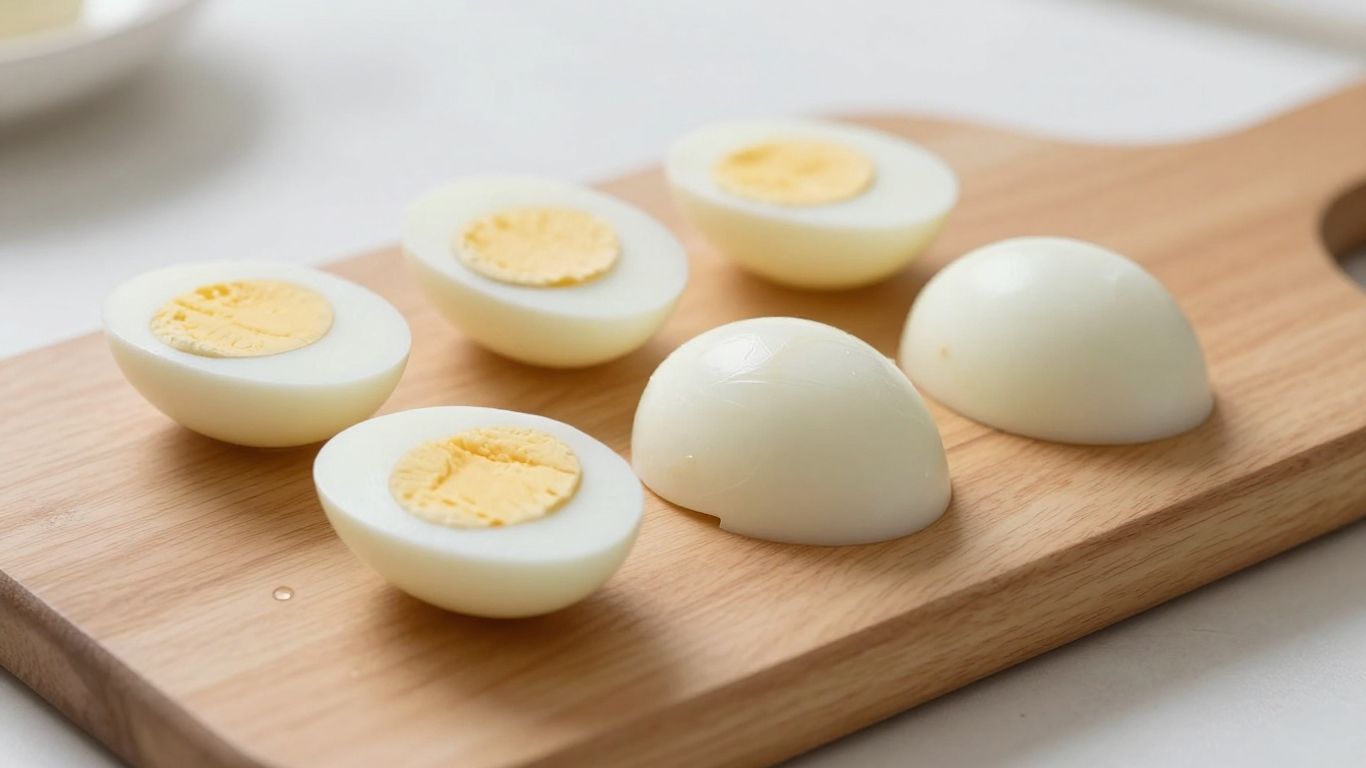
Hard-boiled eggs are a versatile classic that can be prepared in batch ahead of time. Simply boiling a few eggs at the start of the week ensures you have a ready-made option in the fridge whenever hunger strikes between meals.
For smaller children, slicing them into manageable wedges helps them practice pincer grasp and self-feeding. It is a straightforward way to provide sustained energy, making them one of the most reliable protein-packed healthy snacks to store. Some kids enjoy them plain, while others might like a tiny sprinkle of mild herbs.
Incorporating these throughout the week offers a quick way to meet nutritional goals without extra stress. Always ensure eggs are cooled and stored properly to maintain freshness and safety. Integrating such simple protein sources is a reliable method for managing your child's energy levels throughout the afternoon.
3. Hummus with cucumber and carrot sticks
Hummus provides a wonderful plant-based protein source that pairs beautifully with crunchy vegetables. Serving it with thin batons of cucumber or carrot encourages children to explore different sensations while gaining the nutritional benefits of legumes.
Using a mild, homemade hummus allows you to control salt and spice levels, ensuring it is perfectly suited for a toddler's palate. The creaminess of the dip often makes vegetables more appealing to picky eaters who might otherwise turn away from plain fibrous raw items. It creates a satisfying, crunchy snack experience.
When preparing these, focus on ensuring the vegetable sticks are cut into safe, easy-to-bite strips. This type of snack is great for picnics or busy days out since it stays fresh in an insulated container. It remains an excellent way to introduce legumes into their routine.
4. Sunflower seed butter on wholegrain bread
Sunflower seed butter is a fantastic alternative for households seeking nut-free spreads that still provide a solid dose of protein and healthy fats. Smearing a thin layer onto soft wholegrain bread offers a satisfying chew that lasts longer than sugary alternatives, acting as a great tool for healthy prepackaged snacks selection guidance.
Wholegrain bread contributes needed dietary fibre, which works in harmony with the seed butter to keep your child full for longer. This snack is quite dense in nutrition and typically serves as a filling bridge between larger meals. It is also quite easy to cut into fun shapes using cookie cutters if you want to make it look special.
It is important to look for natural versions of sunflower butter without added sugars or hydrogenated oils. Keeping your pantry stocked with these wholesome staples makes it easier to resist the urge to buy processed items. This snack is always reliable for providing necessary energy.
5. Mild cheddar cheese cubes
Low-processed mild cheddar cheese is a convenient option that provides calcium and protein in every bite. Cutting it into small, cuboid shapes makes them perfect for little hands to pick up and enjoy on their own during snack time.
Feature |
Benefit |
|---|---|
Calcium |
Essential for bone development |
Protein |
Supporting muscle growth |
Texture |
Encourages active chewing |
Small cubes of cheese can be served with fruit or enjoyed as a standalone treat. They are compact, clean to eat, and durable enough to stash in a bag while you are on the go. These simple snacks make it easier to maintain nutrition for his active body.
Integrating healthy dairy like cheese can be done in moderation alongside other fresh items. It remains one of the simplest ways to add a familiar texture that many toddlers accept readily. Cheese also pairs well with many other produce items for a balanced snack.
6. Roasted chickpea puffs
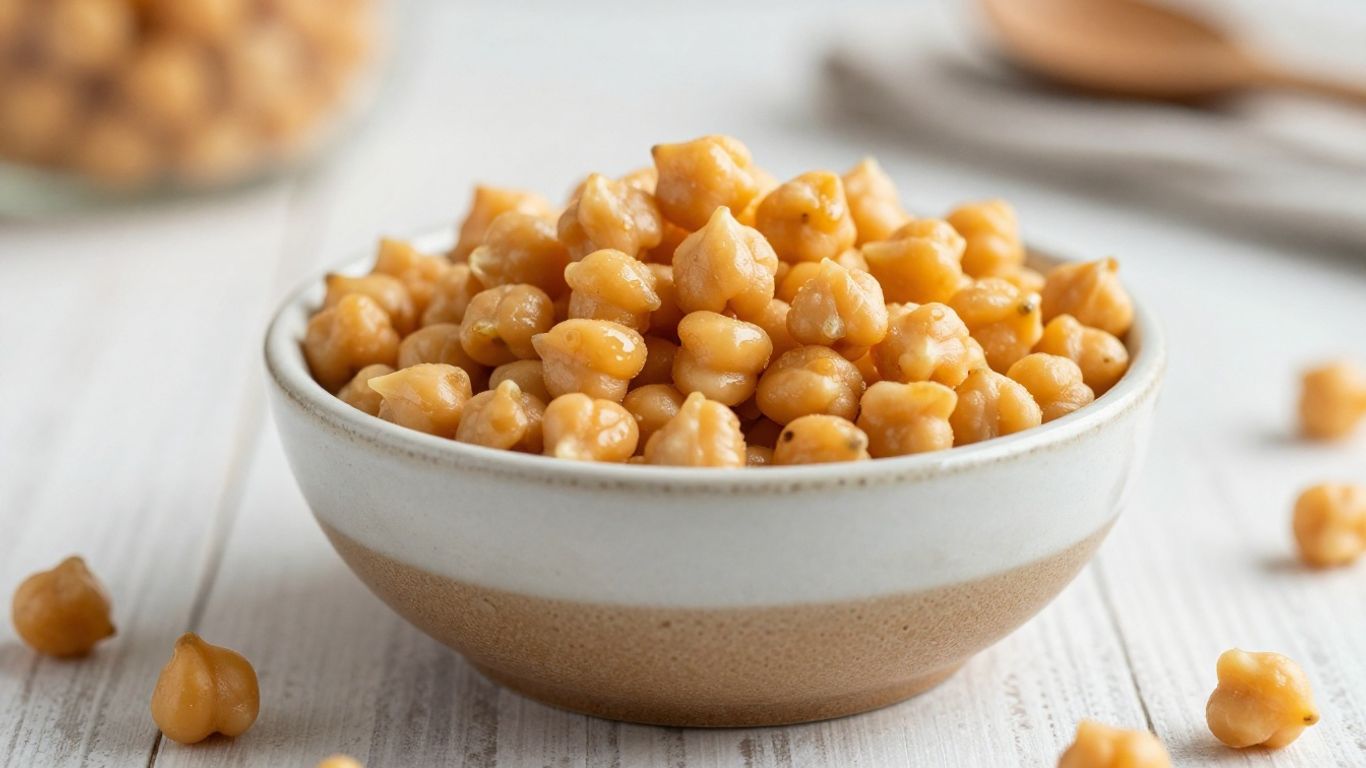
Roasted chickpeas are a crunchy, protein-rich alternative to common snack items found in the supermarket aisles. They are typically seasoned lightly, providing a satisfying savoury flavour that feels like a treat while still delivering real plant-based nutritional value.
Preparing them at home involves tossing cooked chickpeas with a small amount of olive oil and gentle seasoning before baking until crisp. They can last for several days in an airtight jar, making them a great batch-cook item for busy weeks. Their unique texture is often fascinating for toddlers to explore.
Ensuring they are roasted thoroughly helps them stay firm and easy to handle. If you are introducing them for the first time, watch how your child manages the crunch and adjust the preparation accordingly. Integrating these into the weekly rotation provides a wonderful crunchy shift from soft afternoon foods.
7. Low-fat cottage cheese with banana slices
Cottage cheese is a wonderfully mild, high-protein soft food that plays well with the natural sweetness of fruit. Pairing it with thin banana rounds makes the texture more familiar for children, while the protein content keeps their energy steady.
This option feels a bit more like a treat despite its nutritional integrity. The coolness of the cheese is refreshing, especially on warmer days. Because it is simple to scoop, it can also be used as a way to encourage use of a spoon when your child is practicing their motor skills.
Choosing a low-fat version allows you to balance the snack without overwhelming their small stomachs. Serve it fresh immediately upon preparation to ensure the banana slices stay appealing. It is truly a classic combination that bridges the gap between protein and fruit servings.
8. Homemade protein bliss balls using goat milk powder
Bliss balls are a fantastic way to pack a concentrated amount of fuel into a portable format. By incorporating high-quality goat milk powder, these snacks become quite nutritious, much like the homemade version of the Oli6 Choc Banana Goat Milk Protein Balls that offer a satisfying blend for young ones.
Making them at home gives you total control over the ingredients, allowing you to avoid artificial additives. Using natural binders like dates or nut-free seeds ensures they stay safe and delicious. This is a common practice for parents seeking smarter ways to use dairy nutrition in everyday bites.
These balls are excellent for parents who want to provide a quick boost before heading out to the park or an activity. They are stable, don't require refrigeration for short periods, and pack a heavy dose of goodness. They are a reliable way to keep your little ones energized.
9. Lean turkey breast ribbons
Lean turkey provides a high-quality protein source that is mild in flavour and very easy for toddlers to digest. Serving it in thin ribbons or small slices helps make the meat approachable and easy to chew for developing teeth.
Slice turkey thin for easier handling.
Pair with fresh cucumber slices.
Keep refrigerated until ready to serve.
This simple protein is perfect for kids who are active and need muscle-supporting nutrients throughout their day. You can easily pair the ribbons with small pieces of cheese or vegetables to round out the snack. Because it is simple, there is very little prep work involved.
Focus on sourcing high-quality, low-sodium turkey breast to ensure the best results for your family. Keeping a stash of these ribbons ready is great for lunchboxes or after-school snacks. It is a savoury option that provides essential nutrients for their development without complicated cooking steps.
10. Cooked red lentil pasta bites
Red lentils are an absolute powerhouse, and turning them into chilled pasta bites is a smart snack strategy. These small, bite-sized shapes can be cooked until soft, making them easy for toddlers to grasp and manage independently.
They naturally contain more protein than traditional wheat pasta, acting as a satisfying way to keep hunger at bay. Serving them chilled or at room temperature makes them a great option for lunch boxes that might not stay perfectly cold. Some children enjoy them plain or with a light drizzle of olive oil.
The mild flavour profile of lentils means you can customise them with a variety of textures or mild seasonings depending on what your child prefers. They provide a nice, soft texture variant compared to crunchy snacks. These are a unique addition to any weekly meal rotation.
Conclusion
Choosing the right mid-afternoon fuel is a simple way to support your child’s energy, growth, and development. By incorporating a variety of dairy and plant-based options from this list, you can keep your kitchen stocked with nutritious, whole-food snacks that your toddler will genuinely enjoy.
Frequently Asked Questions
How much protein does a toddler need daily?
Most toddlers between the ages of one and three generally require about 13 grams of protein each day to support their rapid growth and activity levels.
Can I use nut butters if my child has an allergy?
If there is an allergy, alternatives like sunflower seed butter or pumpkin seed butter are excellent choices as they provide similar protein and healthy fats without the nut allergens.
Are homemade snacks better than store-bought ones?
Homemade snacks generally allow you to control the quality of ingredients, reduce added sugars, and manage sodium levels, making them a very reliable way to curate your child's nutrition.
What protein sources are best for picky eaters?
Soft, mild-flavoured options like Greek yoghurt, cottage cheese, or tender turkey ribbons are often well-accepted by children who may be sensitive to textures or strong tastes.
How do I store homemade snacks safely?
Most fresh items like yoghurt, cheese, and cut meats should be kept in an insulated bag with an ice pack if you are heading out to ensure they stay at a safe temperature.
Are eggs safe for all toddlers to eat?
Unless your paediatrician has advised against them, boiled eggs are generally considered a highly nutritious protein-packed staple that is safe for most children once they are eating solid foods.
Why is protein important for growing bodies?
Protein supplies the necessary amino acids that serve as the building blocks for muscles, tissues, and bones, helping children maintain steady energy throughout their busy days.