
A practical guide to choosing snacks for fussy toddlers
Key Takeaways
Navigating snack time with a toddler is often a test of patience, but understanding the root causes of their picky habits can make it significantly easier. These five principles will help you establish a more peaceful approach to keeping your little ones nourished.
- Toddler food refusal is a normal developmental stage related to seeking independence.
- Focusing on nutrient-dense combinations keeps energy levels stable throughout the day.
- Presenting food in creative, fun shapes can entice even the most reluctant eater.
- Safety must always be the priority when selecting textures for children aged one to three.
- Maintaining a pantry stocked with versatile staples simplifies snack preparation on busy days.
Understanding why toddlers reject food
Toddlers often navigate the world through experimentation, and food is no exception to this rule. It is quite common for parents to find that their little one suddenly rejects a favorite meal or pushes away a plate they previously enjoyed. Rather than viewing this as a failure of your cooking, recognize it as part of their growing personality.
The role of sensory processing and food texture
Some children are hyper-aware of how food feels in their mouth, finding certain textures overwhelming. A slimy sauce or a slightly mushy piece of fruit might cause a strong reaction, which is how their sensory system communicates discomfort. Respecting these boundaries while slowly introducing new textures can prevent mealtime battles before they start.
Developmental phases and the push for autonomy
As children approach their second year, they begin to realize they have the power to say no. This push for control frequently manifests at the table, as deciding what to eat—or what not to eat—is one of the few areas where they feel they have true agency.
Identifying how timing impacts snack intake
If a child has been grazing all day, they may not arrive at an eating session with the natural appetite needed to try something new. Scheduling food at specific, consistent intervals allows them to develop an appropriate hunger drive, which can lead to more adventurous eating when a healthy item is presented.
Nutritional balance for growing little ones
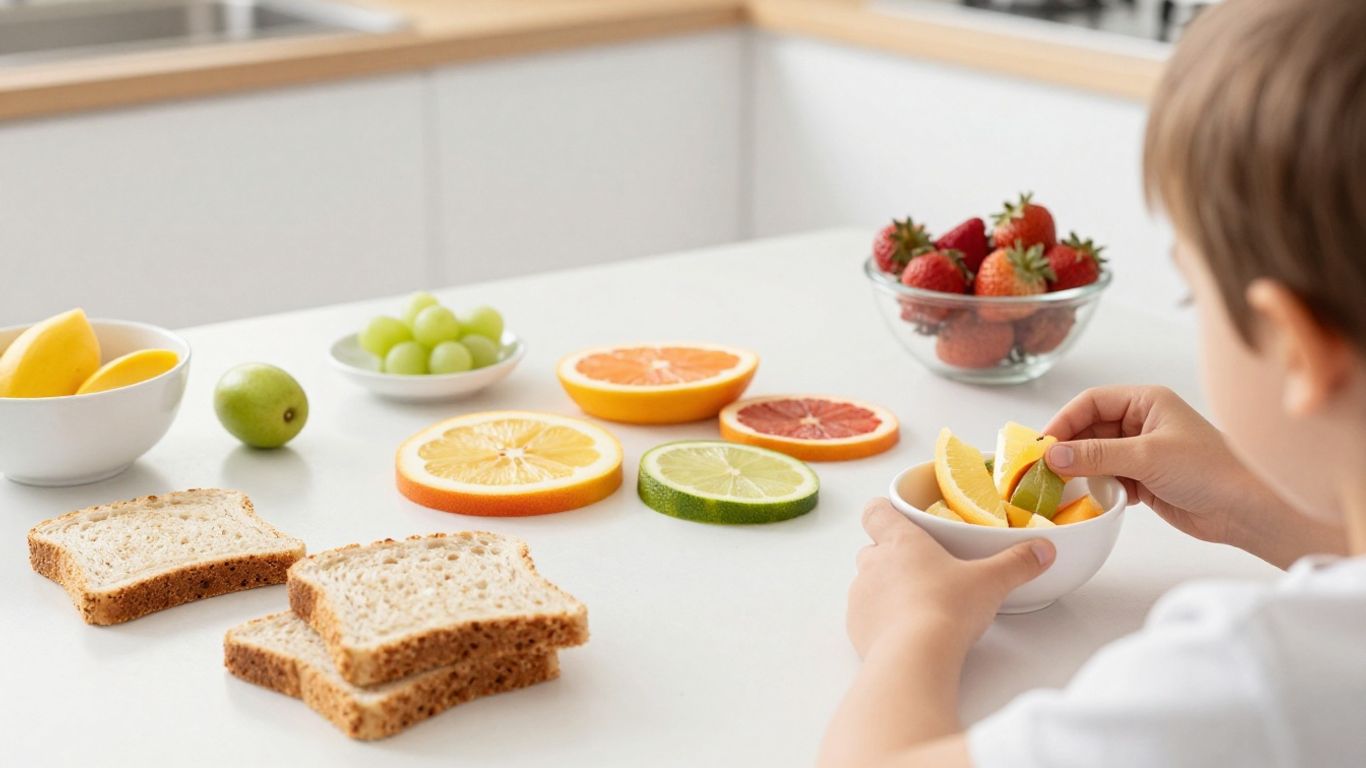
Finding the sweet spot between what your toddler wants and what they need for development often involves a bit of trial and error. Focusing on whole-food ingredients helps ensure they receive consistent nourishment without the roller-coaster of energy spikes and dips.
Combining complex carbohydrates with proteins for sustained energy
Pairing a slow-burning carbohydrate with a source of protein helps keep little bodies powered for playtime for hours. When we look at Oli6 snacks, the goal is often to provide this exact type of balanced energy release, drawing on high-quality ingredients that support the natural growth needs of active children.
The importance of healthy fats for development
Fats are essential for brain health in the early years but should come from high-quality sources like seeds, nut butters, or avocado. We can compare how common snacks stack up to help you make more informed decisions for your pantry.
| Snack Component | Nutritional Note | Best Source |
|---|---|---|
| Protein | Muscle growth | Eggs or pulses |
| Healthy Fat | Brain development | Avocado or seeds |
| Fiber | Gentle digestion | Vegetables or oats |
Incorporating these elements doesn't need to be complex. A simple piece of whole-grain toast with a thin layer of seed butter provides a dense, comforting meal that is easier to manage.
Managing sugar intake from fruit and dairy sources
It is easy to overrely on sweet fruit or flavored yogurts to get toddlers to eat, but these can add unnecessary sugar to their diet. By opting for natural sweetness from raw fruit and focusing on quality dairy sources, you protect their palates from craving overly processed sugar alternatives.
Strategies to make new snacks more appealing
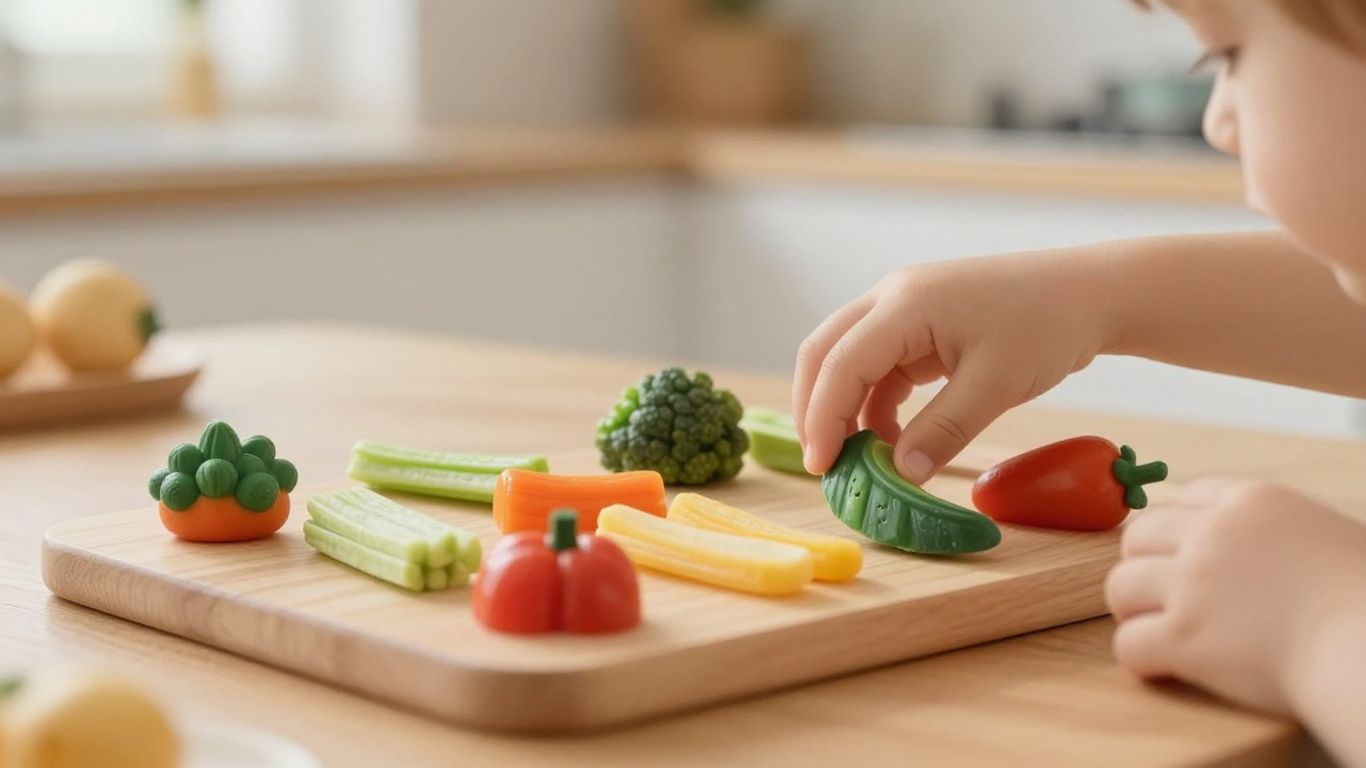
Putting in a little extra effort to present food in an inviting way often changes the entire dynamic of the kitchen table. When food looks like a treat rather than a chore, even the most hesitant toddlers are likely to take a small bite and explore the flavors on offer.
Offering variety through different shapes and serving styles
Sometimes, simply using a cookie cutter to change the shape of an apple slice or serving veggies as finger food ideas can pique a child's interest. Presenting snacks on a colorful plate or in a muffin tin with multiple compartments makes the experience feel playful and approachable.
Using positive reinforcement without creating dinner-time pressure
Positive reinforcement is powerful when handled with a calm and quiet approach to their choices. Encouraging them to explore a bite without requiring that they finish it removes the stress from the situation, allowing them to form their own opinions about food at their own speed.
Involving toddlers in the food selection and preparation process
Giving your toddler a small task, like washing berries or placing items into a bowl, helps them build a relationship with their food. When they feel like they have contributed to the creation of a snack, their willingness to try the final result often increases significantly.
Safe snacking habits for ages 1 to 3
Safety is paramount when feeding toddlers, especially as they explore new, firmer textures. Creating a stable seated environment for snacks prevents the risks associated with running around while eating, which is a common hazard at this age.
Identifying and avoiding common choking hazards
Hard things like raw nuts, whole grapes, and large chunks of meat should always be modified, cut, or sliced thinly before being served. Consult a healthy snack ideas guide to find safer alternatives that satisfy the requirement for crunch without the added risk.
Establishing consistent routines to support natural appetite
Just as we have bedtimes to help them unwind, consistent snack times help the body expect nourishment at predictable intervals. This stability helps them better identify their own hunger cues rather than just snacking out of boredom.
Portion control and listening to individual hunger cues
Learning to trust that your child knows when they are full is a valuable skill for parents to cultivate. Rather than forcing a specific portion size, offer a safe, manageable amount and let them decide when they have had enough to be satisfied.
Pantry staples for fuss-free snacking
Having a reliable collection of items on hand reduces the scramble when you have limited time. Finding healthy snacks for toddlers in the supermarket often means choosing items with clean ingredient lists that focus on real, digestible proteins.
Incorporating nutrient-dense ingredients like seeds and pulses
Seeds provide a great crunch and are packed with minerals, making them an excellent addition to homemade snacks. Incorporating these into small bites ensures your toddler gets the goodness they need, even when they choose to only have a small serving.
Selecting versatile bases like goat milk powder or plant proteins
Using high-quality options like the milk-based powders found in Oli6 snacks ensures you have a reliable base that is gentle on young stomachs. These ingredients are designed to make the daily task of feeding a growing child easier, providing consistent quality that fits into a healthy lifestyle.
Choosing shelf-stable items for busy days on the go
Having a stash of reliable pantry items can save the day when you are out of the house. Consider keeping these staples on hand to ensure you always have a nutritious option ready:
- Pureed fruit pouches with no added sugar.
- Rice cakes or toasted oat crackers.
- Homemade oat bars with seeds and cocoa.
- Small containers of dried fruit.
These additions are not only convenient but also provide a reliable way to keep your little one happy until their next meal arrives.
Conclusion
Developing a calm approach to feeding your toddler, filled with simple snack ideas, creates a foundation for them to have a positive, healthy relationship with food as they continue to grow and explore the world around them.
Frequently Asked Questions
Is it normal for toddlers to only want a few specific foods?
Yes, it is entirely normal developmental behavior for toddlers to enter phases of selective eating, often referred to as food neophobia.
How many snacks should I offer a toddler in one day?
Most children thrive on a schedule of three main meals and two or three small, nutrient-dense snacks, depending on their activity levels.
What should I do if my toddler throws their food?
Stay calm, remove the food without making a fuss, and acknowledge that this is a common way for them to express frustration or test boundaries.
Can I use snacks as a reward for good behavior?
It is generally recommended to avoid using food as a reward, as this can encourage children to associate sweets or snacks with emotional gratification rather than hunger.
How can I make vegetables more interesting for picky eaters?
Try experimenting with different cooking methods, such as roasting for sweetness or serving them raw with a mild, nutrient-rich dip.
Should I worry if my toddler skips a snack?
Not usually, as children are often surprisingly good at listening to their internal cues and simply adjusting their intake during their next meal.
What are some easy ways to increase protein in snacks?
Integrate seeds, nut butters, pulses, or high-quality dairy-based powders into simple recipes like balls, muffins, or smoothies.