
Healthy snacks for 1 year old: A complete guide for Australian parents
Key Takeaways
Transitioning to solid food involves balancing nutrition and safety for your growing child. These essential points will help you navigate snack time with confidence.
Prioritise iron-rich foods at every opportunity for development.
Serve healthy fats to support your child's rapid brain growth.
Introduce a wide variety of fruits and vegetables early on.
Monitor labels for hidden sugars, focusing on nutrient-dense ingredients.
Nutritional needs for a 1 year old
As your little one hits the one-year mark, their nutritional landscape changes quite a bit, making the choice of snacks for 1 year old vital for their ongoing development. Rapid growth requires a steady supply of energy that often comes best from frequent, intentional snacking throughout the day.
Prioritising iron-rich foods for growth
Iron is absolutely essential for cognitive development and maintaining energy levels as your child becomes more mobile. You can introduce iron through lentils, beans, or lean meats, but it is often helpful to pair these with vitamin C to improve absorption. Keeping track of intake ensures your little one feels energetic and ready for exploration during their daytime activities.
The role of healthy fats in brain development
Healthy fats are not just optional extras but fundamental building blocks for the brain. Including ingredients like avocado, nut butters, or quality dairy provides the dense energy that toddlers need during these formative months.
Balancing fruit and vegetable portions
Finding a rhythm with produce intake is a great way to establish lifelong habits. The following table provides a simple guide to serving sizes and types that are appropriate for this developmental stage.
Snack Category |
Serving Suggestion |
Prep Tip |
|---|---|---|
Soft Fruits |
Half a banana or stewed apple |
Mash or dice small |
Steamed Veg |
Soft broccoli or carrot sticks |
Cook until tender |
Nutritious Dairy |
Small portion of yogurt |
Use plain or goat milk variants |
Incorporating these items into daily snacking ensures a broad spectrum of vitamins and minerals. Variety is key because it encourages your child to become comfortable with different textures and natural flavours.
Important safety considerations and choking hazards
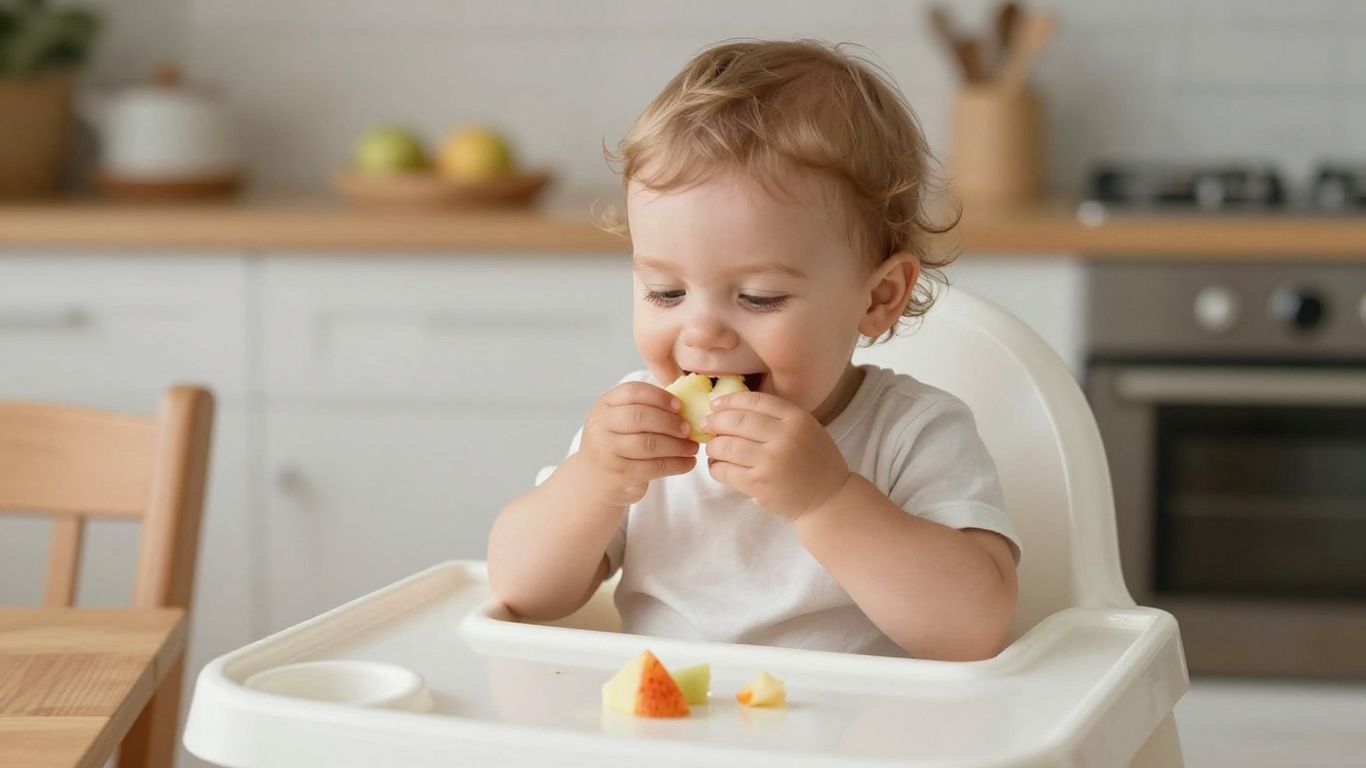
Safety is the absolute priority when feeding a toddler, as they are still refining their ability to chew and swallow properly. It is common for parents to feel a bit anxious about this, but understanding how to prepare food safely can make all the difference.
Modifying food textures for early chewers
For young children, many standard foods pose a risk unless they are heavily modified before serving. Always remember to steam hard vegetables until they are soft enough to squish between your fingers and cut round foods like grapes or cherry tomatoes into quarters, as this safe snack guide explains in detail.
High-risk foods to avoid or alter
Some items, like whole nuts, popcorn, or raw tough vegetables, should generally be avoided until your child is much more capable of managing them. It is helpful to follow the advice found in nutritious snack ideas regarding how to prepare food safely for a 12-18 month old.
Creating a safe, supervised eating environment
Always ensure your little one remains seated while eating to focus on the task of chewing, rather than walking or playing during their snacktime.
Supervision is not just about watching them; it is about providing a calm atmosphere that reduces distractions. Feeding should be a focused activity that fosters a positive connection to mealtime.
Simple homemade snack ideas
Preparing snacks at home allows you to control the quality of ingredients, ensuring your toddler gets the very best sustenance. When you craft these yourself, you avoid the additives that often sneak into mass-produced items.
Fruit-based bites and soft mashes
Soft mashes are incredibly convenient for busy afternoons. You might consider blending berries with a bit of natural yogurt, creating a refreshing treat that delivers both hydration and nutrients.
Vegetable sticks with nutritious dips
Offering vegetables in stick form with hummus or a mild bean dip makes for an engaging, hands-on experience. This is a brilliant way to introduce new tastes, and it is a practice frequently encouraged in healthy meal ideas for growing toddlers.
Incorporating proteins like egg or pulses
Proteins are essential for satiety, and integrating them into snacks helps keep hunger at bay. Here are three simple ways to add protein to their day:
Scrambled egg pieces lightly cooked until soft and fluffy.
Mashed chickpeas mixed with a small amount of mild olive oil.
Soft-cooked lentil bites that are easy for small hands to grasp.
These protein-rich additions keep little tummies full while helping them meet their daily intake requirements consistently.
Choosing healthy store-bought snacks
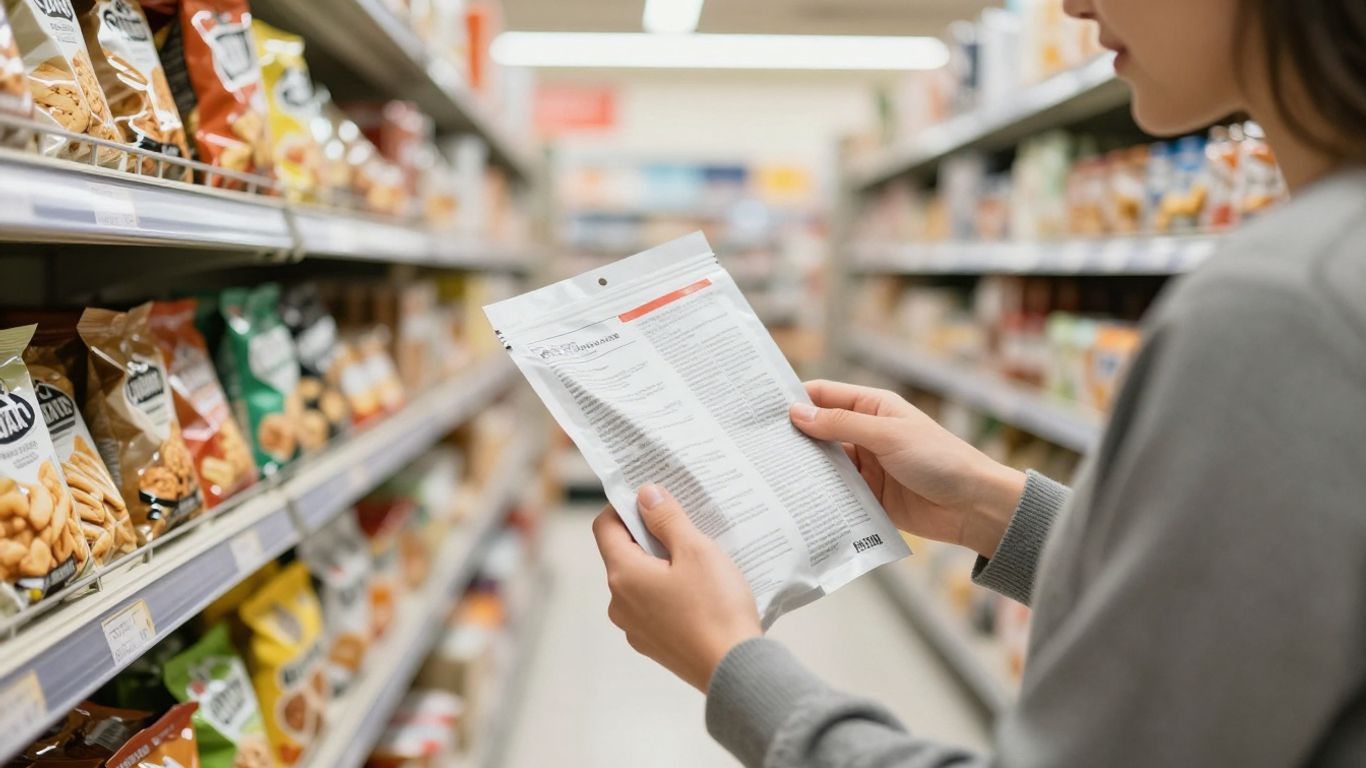
Sometimes convenience is necessary for busy Australian parents, and that is perfectly okay. The goal is to look for options that prioritise natural goodness and avoid unnecessary fillers, using tools like the healthy snack choices guide to read labels effectively.
Checking ingredient labels for added sugars
When shopping, flip the packet around to see if added cane sugar is near the top of the list. A better option is to choose products that rely on natural sweetness from whole food ingredients like dates or bananas.
Identifying whole food-based convenience snacks
Looking for snacks containing simple, recognizable components—like the Oli6 Choc Banana Goat Milk Protein BallsOli6 Choc Banana Goat Milk Protein Balls from Oli6—can provide the nutrition you want in a format that works on the go. These types of options offer a smarter dairy approach, focusing on A2 goat milk which is often gentler on young digestive systems.
Understanding the benefits of nutrient-dense snack bars
Choose bars that contain seeds, coconut, or pea protein rather than just empty carbohydrates. These ingredients provide the sustained energy your toddler needs to recharge without the sudden spikes and crashes caused by highly processed snacks.
Managing dairy and protein intake
Managing protein correctly supports your child’s growth through every stage of their transition to solid foods. Getting the right balance of animal and plant-derived options helps maintain a well-rounded diet.
Incorporating full cream milk and dairy options
Dairy provides essential calcium for bone strength. Oli6 makes dairy smarter by offering products derived from A2 goat milk, which many parents find is a natural and easily digestible choice for their little ones.
Selecting plant-based proteins like sunflower seeds
Sunflowers seeds are a fantastic source of fats and proteins if ground or finely incorporated into a recipe. These seeds add texture and nutrients that support healthy physical and brain development.
Balancing animal and plant-based protein sources
Rotating between types of protein—such as yogurt, eggs, and various legumes—prevents boredom at the table. This variety is key to helping your child discover new flavours as outlined in comprehensive toddler nutrition guides for Australian caregivers.
Establishing healthy snack time routines
Integrating snacks into the family schedule does more than satisfy hunger; it builds great patterns for years to come. Consistency provides comfort and helps children learn to recognize their natural hunger cues.
Setting consistent snack intervals to avoid grazing
Aiming for scheduled intervals prevents the habit of constant grazing. When children eat at designated times, they are usually more engaged with their main meals and more likely to try a diverse range of foods.
Encouraging independent feeding skills
Letting your child handle their own snacks, perhaps by using simple finger foods, boosts their confidence and fine motor skills. It also encourages them to engage with the sensory details of their food.
Integrating snacks into the family dining schedule
Snack time is a perfect moment to include children in the family setting, even if they aren't eating the exact same meal. This inclusion makes food a social and positive experience that supports their emotional development alongside physical growth.
Foods to monitor or limit
It is better to be aware of what might hide in processed items so you can keep your child’s experience with food as natural as possible. Simple changes often lead to better outcomes for their health.
Risks of excess salt and sodium intake
Many packaged toddler foods contain hidden salt that can be hard on young kidneys. It is much better to season with fresh herbs or spices when preparing snacks at home.
Dangers of hidden processed sweeteners
Processed sweeteners provide only empty energy and can negatively impact a child’s preference for natural flavours. Staying away from these helps preserve their palates for the taste of real fruit and vegetables.
Understanding common allergen alerts on labels
Always check for allergen disclaimers regarding items like nuts, wheat, or soy. Being diligent keeps your child safe while you explore the diverse range of nourishing snacks available for their stage of life.
Conclusion
Navigating snack time for your one-year-old is a journey that settles into a rhythm with time, practice, and the right whole-food choices. By focusing on nutrient-dense options like those from Oli6, you can ensure your little one gets the consistent energy they need to grow, play, and explore. Keep it simple, trust your instincts, and enjoy these small moments of nourishment as you help your child develop a healthy, positive relationship with food.
Frequently Asked Questions
How often should my 1 year old have a snack?
Generally, offering two to three small snacks between main meals is recommended to keep energy levels stable throughout the day. This schedule helps prevent excessive hunger and supports steady growth and development.
Why is goat milk considered good for toddlers?
Goat milk is often naturally easier for young digestive systems to process, providing essential nutrients in a gentle form that supports a child's needs during this growth phase.
Can I offer store-bought snacks every day?
It is fine to use convenient store-bought snacks when necessary, provided you check the labels for added sugars and salt, and ensure they are made from whole ingredients.
What should I do if my child is a picky eater?
Continue to offer a variety of foods, even if they are rejected initially, as repeated exposure is key to helping them develop a broader palate over time.
Is it necessary to serve snacks at the same time daily?
Establishing a consistent routine for meals and snacks helps your child learn their hunger cues and makes the day more predictable, which in turn fosters a better attitude toward eating.
How can I make snacks more exciting for my toddler?
Presenting snacks in different colours, shapes, and combinations can make the experience engaging and fun, encouraging your toddler to try new textures and flavours.
Should I worry about dairy intake if my child has a sensitivity?
If you suspect a sensitivity, it is best to consult with your medical provider, who can guide you toward suitable, nutrient-packed alternatives that keep your child healthy and well-fed.