
The ultimate guide to healthy on-the-go snacks for toddlers
Key Takeaways
Packing snacks for your little one can be straightforward when you focus on whole foods and smart planning. These five points provide a roadmap for stress-free adventures.
Prioritize balanced combinations of protein, healthy fats, and fiber to keep energy levels stable.
Always keep food safety in mind by modifying items to prevent choking risks while away from home.
Utilize batch preparation for homemade options to save time and ensure control over ingredient quality.
Incorporate nutrient-dense choices that support growth, such as iron-rich ingredients and quality dairy.
Plan your snack schedule alongside main meals to maintain appetite and establish healthy habits.
Nutritional requirements for active toddlers
Feeding growing toddlers requires a thoughtful approach to ensure they stay satisfied and energized during daily outings. Balancing their needs while juggling an active schedule is a regular challenge for many parents. Consistency in providing quality fuel helps maintain their vitality throughout the day.
Understanding macronutrient balance on the move
When you are out and about, the goal is to prevent energy crashes by combining different food groups. A small serving of protein paired with a complex carbohydrate provides a sustained energy release for active toddlers throughout the afternoon. This approach keeps their blood sugar stable and helps manage hunger until the next main meal.
Avoiding hidden sugars and processed additives
Many store-bought options are loaded with refined sugars that cause rapid spikes and drops in energy. By learning how to read ingredient lists, you can make informed decisions and choose products that support your child's well-being. Using healthy prepackaged snacks ensures your child gets high-quality nutrition without the unnecessary additives often found in common corner-store treats.
Prioritizing iron and calcium for growing bodies
Iron and calcium are vital building blocks for development during the toddler years. Integrating dairy into a routine can be simple and effective when you look for options that are easy to digest, like those formulated with goat milk. Our Oli6 Choc Banana Goat Milk Protein Balls provide a smart way to incorporate dairy goodness and essential nutrients into a busy day, offering a convenient source of calcium for your little one.
Monitoring portion sizes for small appetites
Small bodies have small stomachs, which means they benefit most from smaller, frequent offerings rather than large, overwhelming portions. Keeping snacks tailored to their size helps them learn to listen to their own hunger cues. You might consider items like these:
Small cubes of mild cheese.
Thinly sliced soft fruits like banana or pear.
Dehydrated veggie bites that are easy to manage.
Protein-rich mini snacks sized for little hands.
These small, manageable portions ensure they are satisfied without feeling uncomfortable while playing or traveling.
Essential food safety tips for travel
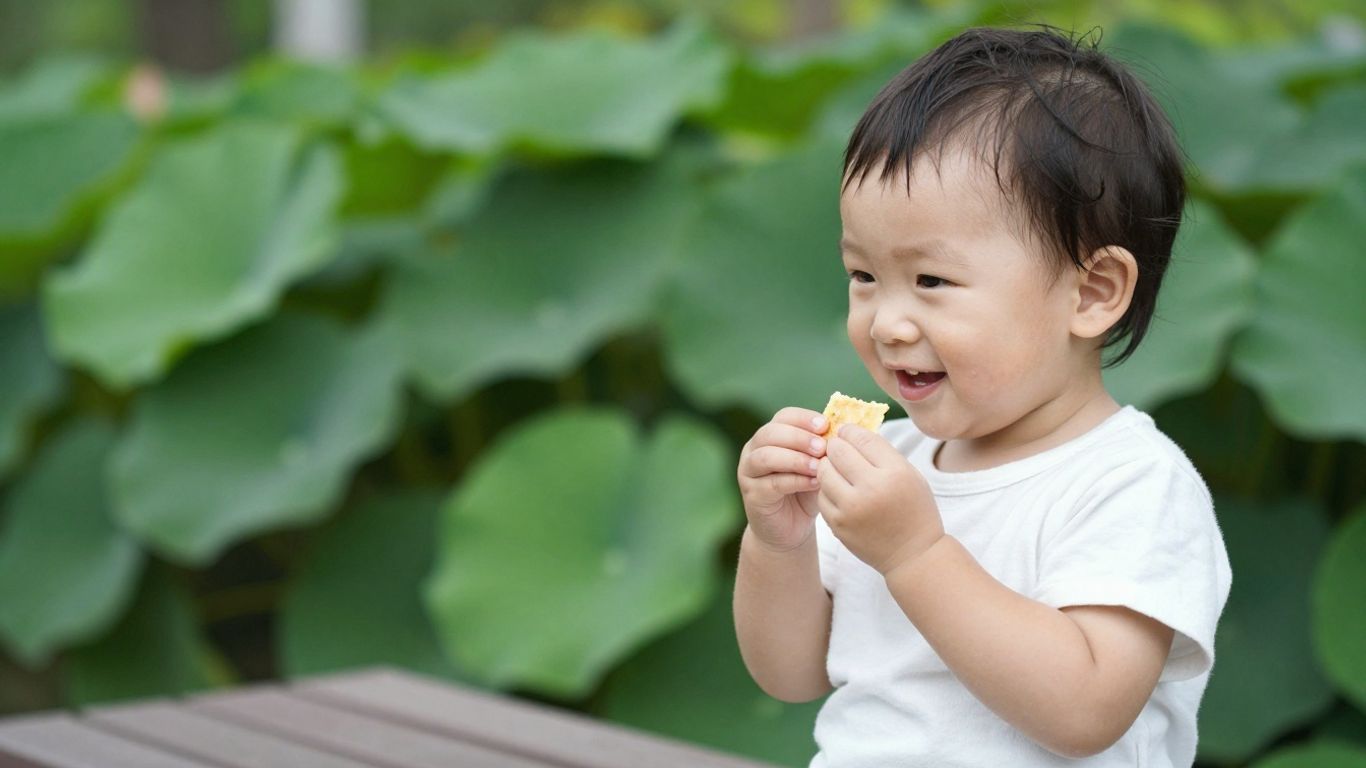
Navigating food safety when you are away from your home kitchen requires extra attention to detail. Preparing in advance allows you to focus on the fun rather than worrying about potential issues like mess or spoilage. Keeping these basic guidelines in mind helps make every outing much smoother and safer for your family.
Avoiding choking hazards for younger toddlers
Safety is the absolute priority when selecting what to pack for a young child. Items like whole grapes, nuts, or hard candies can pose significant risks. It is essential to modify textures by slicing, steaming, or crushing firm foods into safe, manageable pieces before leaving the house.
Managing temperature control for perishable items
Keeping items safe from bacteria growth often comes down to maintaining a steady, cool temperature. Using an insulated bag with a reusable ice pack is a simple solution for keeping dairy or fresh proteins at a safe temperature for several hours. Choosing shelf-stable ingredients can further simplify your planning when a fridge is not easily accessible.
Navigating potential food allergies while away from home
Knowing exactly what is in your child's snack bag is the best way to manage allergies when you are out of your comfort zone. Checking labels for cross-contamination warnings is standard practice for parents of children with sensitivities. Always keeping a backup emergency snack is a smart strategy for any toddler snacking guide you follow.
Selecting packaging that is mess-free and durable
Traveling with a toddler inevitably involves some level of chaos, but good packaging can help contain it. Reusable, air-tight containers or pouches that are easy for little hands to open but durable enough to prevent leaks are ideal choices. This reduces cleanup time while maximizing the enjoyment of the snack.
Selecting store-bought snacks versus homemade
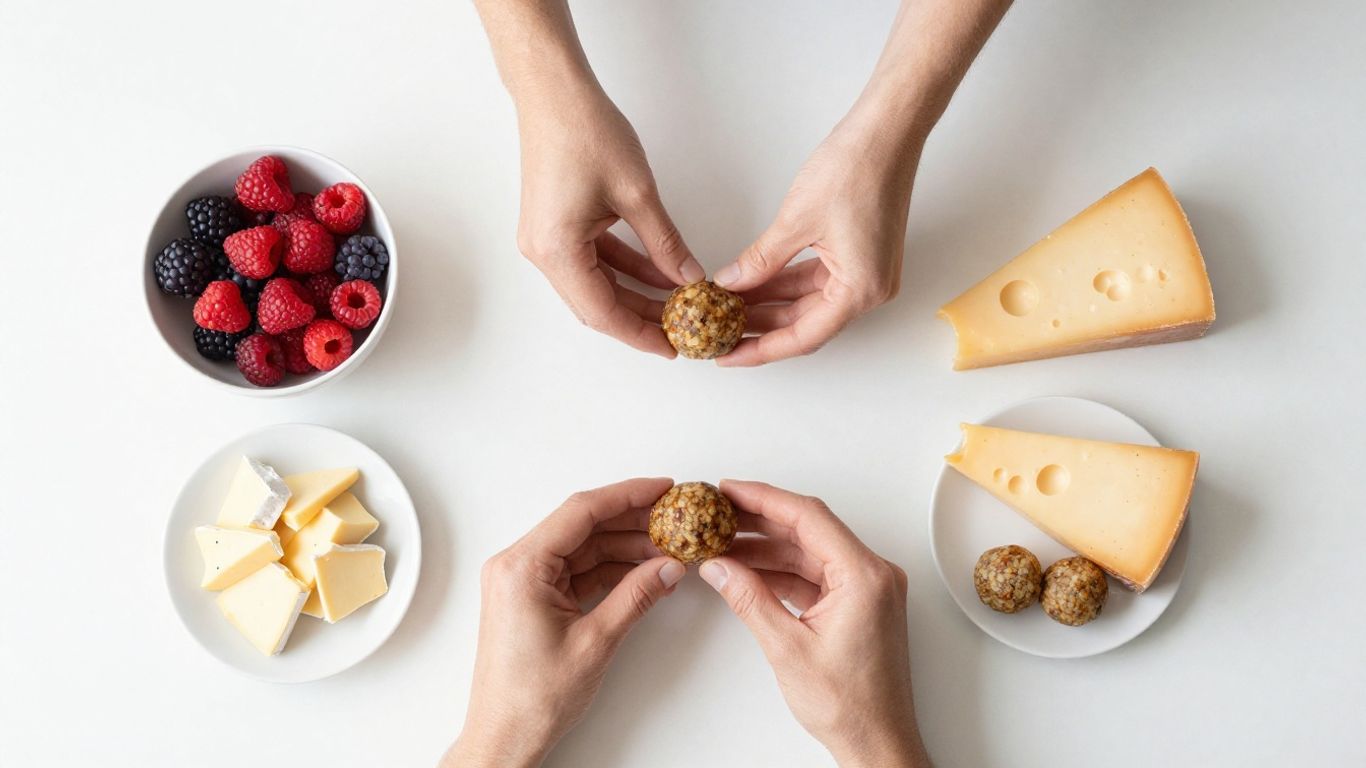
Deciding between convenient store-bought items and homemade options is a balancing act that depends on your current capacity. Both play a role in a well-rounded diet, and understanding their individual advantages helps you choose the best fit for your lifestyle. The following table highlights common differences between these snack categories.
Feature |
Store-Bought Snacks |
Homemade Snacks |
|---|---|---|
Prep Time |
Immediate |
Requires advanced prep |
Ingredient Control |
Varies by brand |
Complete control |
Cost Efficiency |
Higher per serving |
Generally budget-friendly |
By comparing these factors, you can decide which method supports your weekly schedule while still providing nutritious energy for your kids.
Decoding nutrition labels on packaged toddler snacks
Interpreting the information on the back of a package is the most useful skill for navigating the aisles. Focus on the ingredient list rather than front-of-package marketing claims, looking for recognizable, real-food ingredients. Prioritizing products with shorter ingredient lists can often lead you to healthier, less processed outcomes for your toddler.
Benefits of preparing whole-food options in batches
Preparing a large supply of snacks at once serves as a major time-saver throughout a busy week. You can freeze items like muffins or protein balls so they are ready to grab exactly when you need them. This proactive approach ensures you always have a healthy option available regardless of how rushed the morning becomes.
Balancing convenience with quality ingredients
Sometimes the best solution is a mix of both worlds, having a few reliable store-bought staples for emergencies alongside your favorite homemade recipes. Focusing on whole grain snacks and other nutrient-dense ingredients keeps your child fueled whether you are eating in the kitchen or on the road. Finding this balance helps you maintain your health goals without adding unnecessary daily stress.
Budget considerations for frequent snackers
Active toddlers seem to be constantly hungry, which can quickly add up when relying heavily on store-bought snacks. Buying ingredients in bulk, such as oats, seeds, or seasonal fruits, often significantly lowers the cost per snack. Developing a routine of making simple staples ensures you can manage your budget while still providing the level of nutrition your family expects.
Convenient DIY snack ideas to pack
Developing a repertoire of simple snack ideas makes packing for a day out effortless. The goal is to provide variety while keeping the assembly process simple and quick. With a few basic ingredients on hand, you can build a nutritious snack in just a few minutes.
Fresh fruit and vegetable combinations
Simple, fresh options are often the most refreshing choice for kids. Pairing slices of pear with cucumber or offering washed berries in a portable container keeps them hydrated and provides essential vitamins. These naturally sweet and crunchy options are favorites for a reason.
Incorporating healthy plant-based proteins
Legumes and nut butters serve as excellent foundations for sustaining hunger. Spreading a small amount of seed butter on crackers or mixing beans into a muffin recipe can provide density and protein. These components are perfect for keeping little ones full until their next meal.
Creative uses for protein-rich powders and seeds
Utilizing healthy additions like ground seeds helps you boost the nutritional profile of simple snacks without a fuss. Mixing these into yogurt or fruit-based recipes adds texture and an extra dose of minerals. It is a subtle way to ensure they get enough goodness even when they are picky eaters.
Whole grain options that hold up in a bag
Choosing robust whole grain bases like crackers or dense muffins prevents the snack from crumbling into crumbs before your toddler gets to it. These options are easy to handle and offer complex carbohydrates for long-lasting energy. They make an excellent accompaniment to healthy snack ideas for busy days away from home.
Strategic planning for hydration and meal gaps
Proactive planning turns a potential snack crisis into a smooth part of your day. By being mindful of timing and hydration, you create a structure that supports your child's natural rhythm. This approach helps maintain their mood and energy even during long travels or busy afternoons.
Coordinating snacks with main meal schedules
It is helpful to keep a mental buffer of an hour or two between snack time and your next main meal. This allows your toddler to build a healthy appetite for their primary lunch or dinner. When you plan these gaps, eating becomes a more consistent and enjoyable experience for your family.
Best practices for keeping kids hydrated on the go
Toddlers often forget to drink enough when they are distracted by play or new environments. Offering a familiar water bottle frequently throughout the day is a simple way to encourage hydration. Choosing toddler travel snacks that are also hydrating, like fresh fruits, can further assist in maintaining good water intake.
Avoiding the "snack trap" before dinner time
Giving a large snack too close to dinner often leads to a refusal of the main meal. Limiting portions in the late afternoon prevents this common issue. Offering a small, protein-focused snack earlier in the day is much more effective than relying on a "tide-me-over" snack right before you sit down to eat.
Tips for dining out with picky toddlers
Eating at a restaurant can be a stressful experience, so coming prepared makes a world of difference. Bringing along a safe, familiar snack option ensures your child is fed even if the menu choices are limited. With a little foresight, you can enjoy your meal knowing your child is content and well-nourished.
Conclusion
Building a routine of healthy snacking provides your toddler with the energy they need to explore their world with curiosity and excitement. By prioritizing whole foods, focusing on safe preparation, and maintaining a balance between convenience and nutrition, you can make every outing a success. Remember that these small efforts form the foundation for lifelong healthy habits, ensuring your child receives the nutritional support they need for every stage of their development.
Frequently Asked Questions
How often should toddlers have snacks throughout the day?
Most toddlers benefit from two to three small, balanced snacks spaced out between their primary meals to manage their high energy levels and smaller stomach capacity.
Which fruits are the safest for travel with toddlers?
Softer fruits like bananas, berries, and melon are great choices for travel, as they are generally gentle on developing mouths and easy to store in portable containers.
Can I avoid sugar in store-bought toddler products?
Yes, by carefully checking the ingredient list for terms like cane sugar, syrup, or concentrated fruit juices, you can identify and skip products that rely on added sweetness.
What are some non-messy snacks for long car rides?
Dry options like whole-grain crackers, thin cheese sticks, or small cubes of roasted vegetables are perfect for keeping car rides clean while still providing good nutrition.
How do I manage hunger if my toddler refuses dinner?
If dinner is refused, remain calm and offer a healthy, low-sugar breakfast option the next morning; this consistency helps them understand the importance of main mealtimes.
Is it okay to use pre-portioned snacks for childcare?
Pre-portioned snacks are often perfect for childcare environments as they are easy to store, clearly labeled for teachers, and help ensure your child gets a consistent serving size.
How can I make travel snacks more appealing to picky eaters?
Try using fun shapes with a small cookie cutter or packing a variety of colors and textures in a bento-style box to make the snack feel like a new, exciting experience.